LVMH Loses More Than $167 Billion in Market Value as Luxury Downturn Deepens
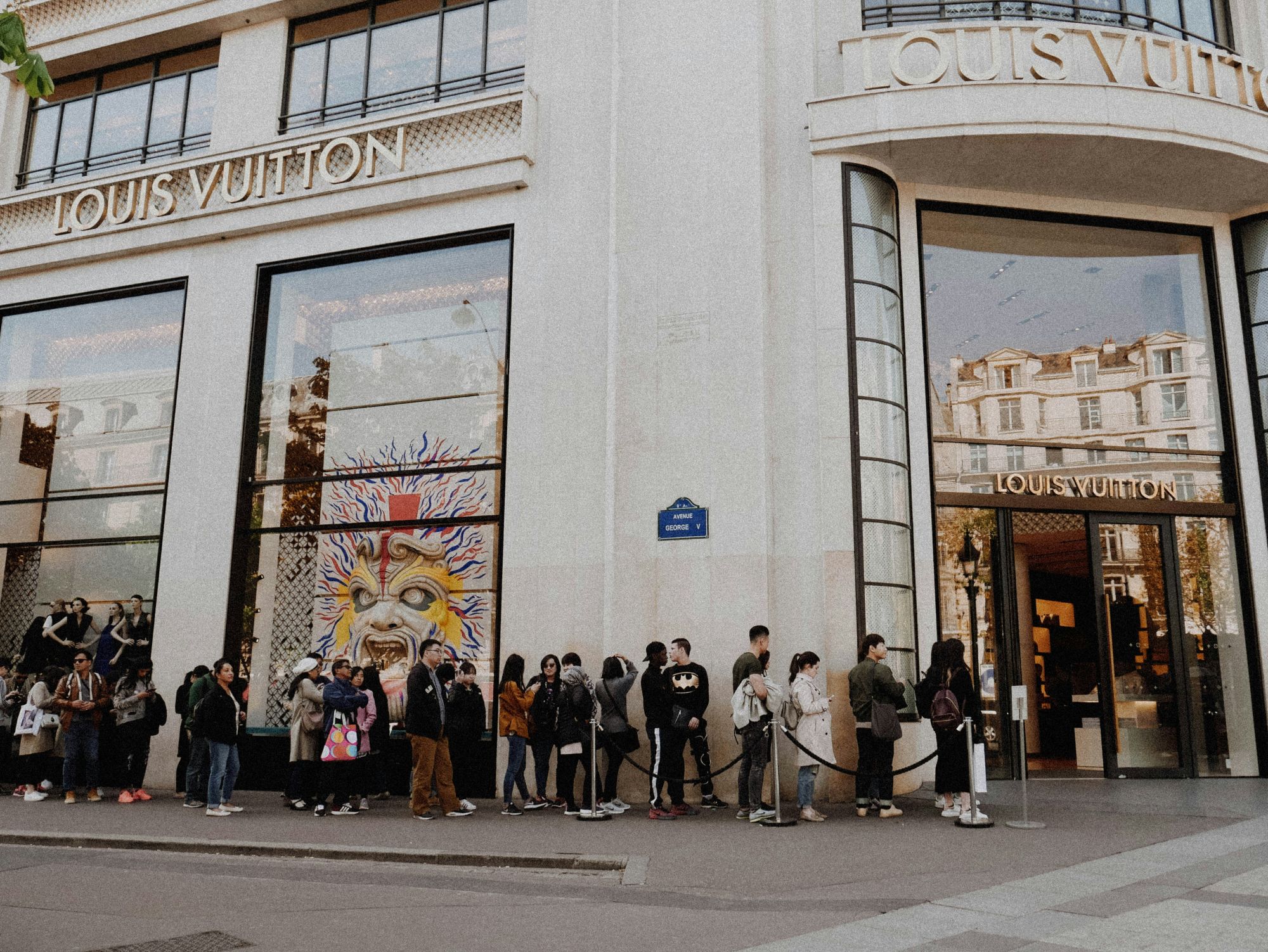
LVMH, the French luxury conglomerate behind Louis Vuitton, Dior, Tiffany & Co. and dozens of other high-end brands, has lost more than $167 billion in market value in 2026, highlighting how sharply investor expectations for the luxury sector have changed. The group, which once became the first European company to surpass a $500 billion valuation, is now worth less than half its previous peak.
The decline reflects more than a temporary slowdown in luxury spending. LVMH has become particularly exposed to weakness in its Fashion and Leather Goods division, which accounts for roughly three-quarters of its recurring operating profit. Louis Vuitton is especially important to the group, while Chinese consumers have historically represented a significant source of demand. That concentration has become a vulnerability as Chinese shoppers become more cautious and increasingly consider domestic brands.
China is not the only pressure point. Luxury consumers in the United States have also pulled back, with US luxury spending falling for a third consecutive month in September. Higher economic uncertainty is encouraging consumers to become more selective, particularly when purchasing expensive handbags, watches and jewellery.
Another issue facing the sector is the legacy of aggressive price increases. Luxury brands raised prices substantially after the pandemic, helping protect margins while demand was strong. But the strategy has also pushed some aspirational consumers away from the category, raising questions about whether luxury has become too expensive for part of its traditional customer base.
LVMH is not standing still. The group reported €38.6 billion in first-half 2026 revenue, with organic growth accelerating in the second quarter and improvements across several regions and categories. Its Watches & Jewelry division, for example, recorded 9% organic growth for the first half.
The wider industry is therefore facing a strategic reset rather than simply a sales slump. Consumers are increasingly weighing craftsmanship, exclusivity, cultural relevance and perceived value alongside brand prestige. Competitors such as Richemont and L’Oréal have benefited from stronger jewellery and beauty demand, demonstrating that consumers have not abandoned premium spending altogether—they are becoming more selective about where that spending goes.
For LVMH, the challenge will be restoring desirability without weakening the exclusivity and pricing power that built its global dominance. Its next phase may require a more balanced growth strategy, greater relevance in China and less dependence on a small number of exceptionally profitable brands.