Neiman Marcus Closes Its Historic Dallas Flagship After More Than a Century
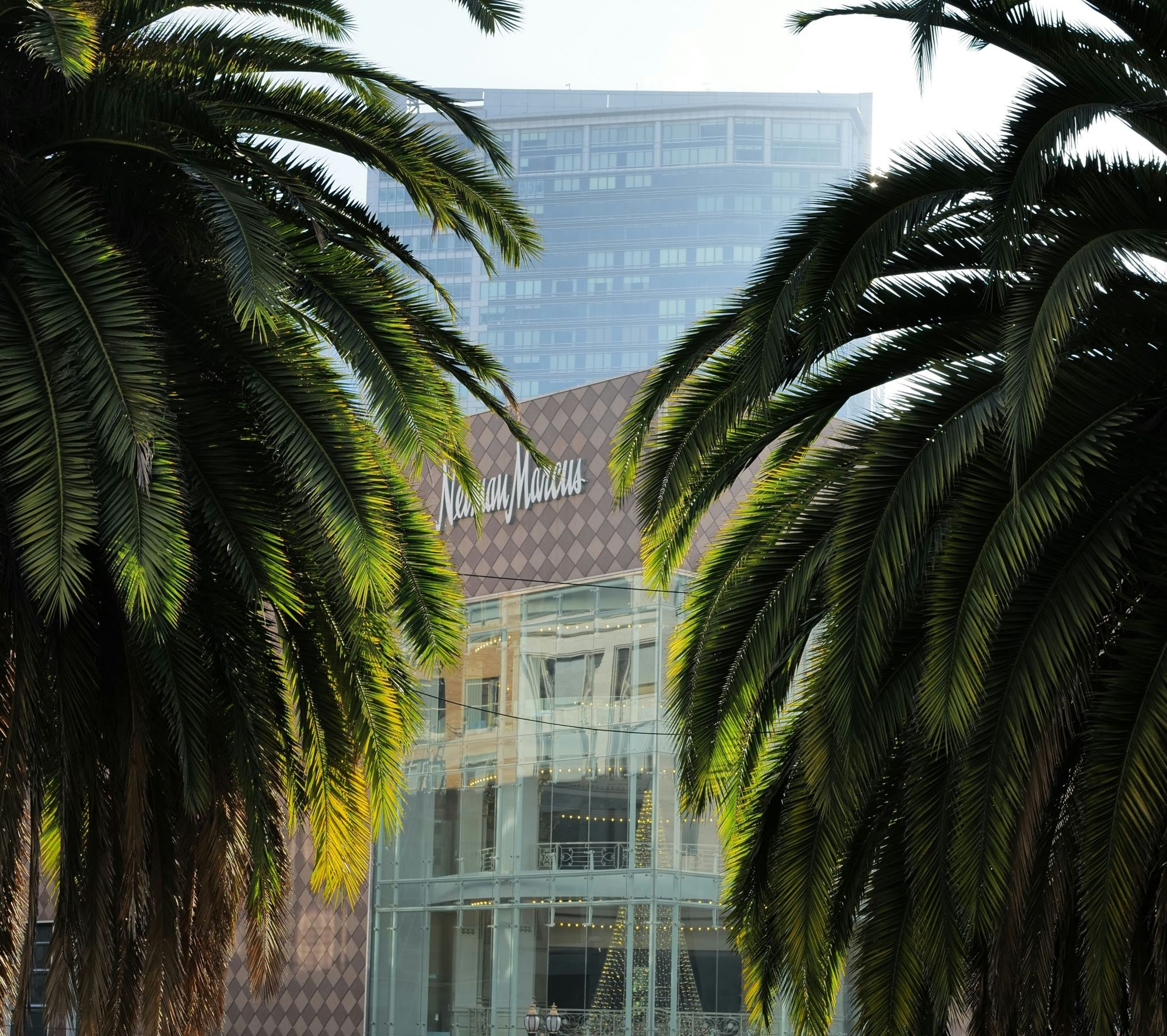
Neiman Marcus has closed the doors of its historic downtown Dallas flagship, ending a 112-year chapter for one of American luxury retail’s most recognisable addresses. The store at 1618 Main Street officially shut on September 30, 2026, after operating from the location since 1914.
The closure carries significance beyond the loss of a department store. Neiman Marcus was founded in Dallas in 1907 and the downtown flagship became deeply connected to the city’s identity, combining luxury fashion with restaurants, art, personal shopping and highly personalised service. For generations of customers, the store functioned as both a retail destination and a social institution.
Its departure also reflects a broader transformation in luxury retail. Large department stores are under pressure to justify expensive downtown real estate while consumers increasingly shop through digital channels, destination malls and more specialised luxury environments. Downtown Dallas has also experienced rising retail vacancies, making the economics of maintaining a massive flagship increasingly difficult.
For Neiman Marcus, the strategy is not to abandon Dallas but to concentrate its resources elsewhere. The company is investing in its NorthPark Center location, which will become the brand’s principal Dallas flagship. Elements of the downtown experience will move there, including the famous Zodiac Room, the Bridal Salon and historic artwork.
The Zodiac Room is particularly important because it represents the experiential side of Neiman Marcus. Its planned reopening at NorthPark will preserve elements of the original restaurant while introducing new offerings, demonstrating how luxury retailers are increasingly using hospitality, dining and heritage to create reasons for customers to visit physical stores.
The closure therefore illustrates a difficult balance facing luxury retailers: preserving heritage while adapting to where affluent customers actually spend their time and money. A historic address can strengthen a brand’s image, but maintaining it requires substantial investment.
For Neiman Marcus, the next chapter will be about transferring the emotional value of its downtown institution into a more commercially viable retail environment. The Dallas flagship may be gone, but the brand is betting that its traditions can survive—and potentially become more valuable—in a different setting.