Paris Fashion Week Confronts the Problem of Hotter Summers
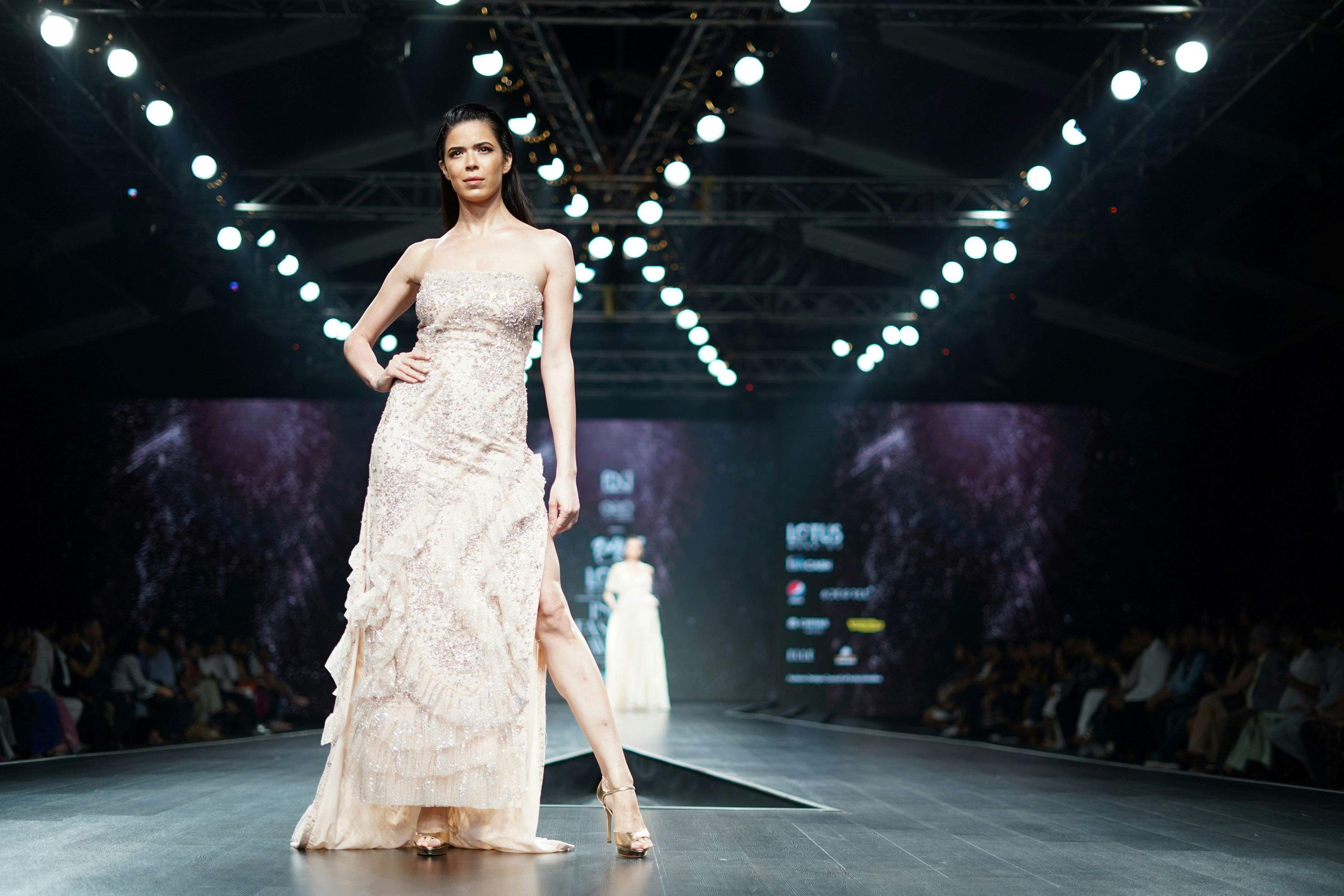
Paris Fashion Week is facing a problem that cannot be solved by a change of collection: the weather itself is changing. As temperatures remain unusually high well into autumn, fashion houses are being forced to reconsider a seasonal calendar built around assumptions of cooler weather.
During the latest Paris Fashion Week, temperatures reached about 28°C (82.4°F), while many visitors were still wearing lightweight summer clothing. At the same time, luxury brands were unveiling autumn and winter collections filled with coats, heavy fabrics and cold-weather pieces. The contrast exposed an increasingly important problem for the fashion business: consumers may no longer need seasonal clothing when the industry expects them to buy it.
This matters financially because outerwear is among the industry's more profitable categories. When shoppers delay purchasing coats, jackets and other winter products, retailers can be left with large quantities of unsold inventory. Eventually, those products may require markdowns, reducing margins and weakening the exclusivity that luxury brands depend upon.
The issue is also influencing design. Louis Vuitton's Nicolas Ghesquière has incorporated lighter fabrics and more adaptable silhouettes, while other designers are exploring breathable materials and clothing that can function across less predictable temperatures. The shift suggests that climate is beginning to influence not only sustainability discussions but the actual products being created.
Paris' experience follows an even more extreme summer. France recorded its hottest summer since measurements began in 1900, with climate change identified as a major factor behind the exceptional temperatures. Earlier in the year, extreme heat had already disrupted fashion events, forcing some Paris shows to move to earlier times and prompting organisers to introduce additional measures to protect guests and staff.
For luxury brands, the challenge extends beyond keeping fashion-week guests comfortable. The entire business model relies on predicting what consumers will want months in advance. If seasons become less predictable, brands may need to rethink production schedules, inventory levels, fabric choices and even the traditional distinction between spring, summer, autumn and winter collections.
The result could be a gradual move toward more transitional wardrobes, lighter versions of traditionally winter-focused products and collections designed for flexibility rather than a single season. Paris Fashion Week is therefore becoming more than a showcase for upcoming trends. It is becoming a testing ground for how fashion can operate in a climate that increasingly refuses to follow the industry's calendar.